



Designed for licensed mental health professionals, this 3-year Core Training offers a highly effective, research-based pathway to clinical mastery.
Officially certified by the International Experiential Dynamic Therapy Association (IEDTA)—and widely regarded globally as the “gold standard” of EDT education—the program equips psychotherapists with profound theoretical knowledge and precision-based clinical tools to safely remove emotional blocks, resolve complex treatment resistance, and facilitate deep, lasting character change.


Training Dates
| 2026 | 2027 | 2028 |
|---|---|---|
| February 22,25 , March 2 | February | |
| June 14, 17, 22 | June | |
| November 30, December 1-2 | October-November | October |
- November 30, December 1-2
- February 22,25 , March 2
- June 14, 17, 22
- October-November
- February
- June
- October
From Classical ISTDP to a Broader Experiential Dynamic Framework
EDT Core is grounded in the foundational contributions of Habib Davanloo and David Malan, providing a precise dynamic framework for understanding affect, anxiety, defenses, unconscious conflict, and the therapeutic relationship.
From this foundation, we broaden the clinical lens:
- The IE-DP Model: A central influence from the work of Dr. Ferruccio Osimo, which offers a broad experiential-dynamic perspective. Emphasizing flexibility, moment-to-moment clinical judgment, and the authentic therapeutic relationship as it unfolds in the room.
- Attachment Focus: We pay close attention to patient’s patterns of closeness, dependency, autonomy, and longing, as these emerge in important relationships and within the therapeutic relationship itself. At the same time, we attend to the therapist’s own responses, capacities, and vulnerabilities as part of the relational field.
- Integrative Depth: Drawing from the contributions of other traditions within Experiential Dynamic Therapy, including the work of Allan Abbass, Diana Fosha, Leigh McCullough, and others. These perspectives enrich the framework through their emphasis on attachment, affective transformation, anxiety regulation, graded intervention, and responsiveness to the patient’s capacity in each moment.
Our aim is not to combine techniques indiscriminately, nor to replace the precision of the classical dynamic models. Rather, we seek to create a coherent and flexible clinical framework that allows therapists to preserve dynamic depth while adapting the work to the needs of the individual patient.
The central questions are:
- What does this particular patient need in order to move forward?
and
- How can this particular therapist work most effectively from their own strengths?
Two integrative directions:
Toward the patient — by widening the therapist’s clinical range while maintaining a coherent dynamic formulation.
Toward the therapist — by helping clinicians develop their own authentic therapeutic capacities rather than simply reproducing a technique or imitating a teacher.
We believe that effective therapy requires both structure and flexibility:
a clear understanding of affect, anxiety, defenses, unconscious conflict, attachment, and the therapeutic relationship, together with the freedom to adjust pace, pressure, relational focus, and intervention style according to the needs of the person in front of us.
Our goal is to train therapists who can remain focused without becoming rigid, experiential without losing formulation, and integrative without losing depth.
A Coherent Framework, Multiple Voices
EDT Core brings together different voices within Experiential Dynamic Therapy without blurring the distinctions between them.
The aim is to understand what each contributes, and to use those contributions with precision within a coherent clinical framework.
One framework. Multiple voices. A flexible path toward meaningful therapeutic change.

Dr. Ferruccio Osimo, MD – Lead Instructor, Founder of IE-DP & Past President of IEDTA
Dr. Osimo is a psychiatrist, psychotherapist, and the professional authority in this training program. As the visionary founder of the IE-DP model and the founding president of the International Experiential Dynamic Therapy Association (IEDTA), Dr. Osimo has spent over 40 years shaping the global landscape of Experiential Dynamic Therapies. Having trained directly with Dr. David Malan and Dr. Habib Davanloo, his extensive research and clinical practice underscore the healing power of the real human connection. He brings depth, theoretical mastery and relational wisdom to the training, defining the core architecture of the clinical work and providing the overarching vision for the program.
For Dr. Osimo’s full list of publications (books, articles, and collections) – click here.
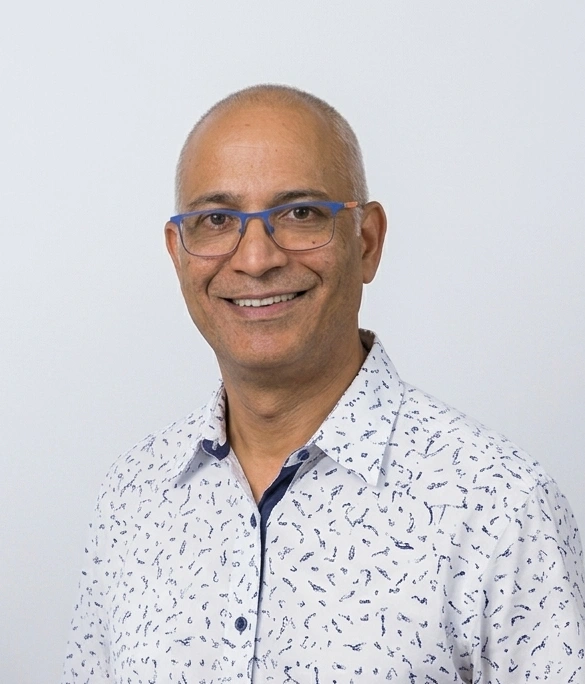
Yoram Reuveni, M.S.W. – EDT Teacher & Clinical Director
Yoram Reuveni is an IEDTA-certified teacher, clinical social worker, and psychotherapist with over 25 years of clinical experience. His professional background includes advanced training in psychoanalytic psychotherapy, CBT, and experiential dynamic therapies. He is the Clinical Director of the Etrrog Moshe Center and teaches at the EDT Core Training alongside Dr. Ferruccio Osimo. Yoram brings a broad integrative perspective to EDT, drawing on different voices and traditions within the experiential dynamic field. His contribution to the training lies in helping participants understand how these perspectives relate to one another, where they differ, and how they can enrich and complement one another in clinical practice. His teaching focuses on the dynamic interplay of feelings, anxiety, and defenses, and on adapting the therapeutic approach to the individual patient — when to deepen emotional work, when to regulate anxiety, and when to broaden the clinical frame. Through clinical material, video-based teaching and experiential learning, he helps therapists develop thoughtful clinical judgment and a coherent, flexible, and personally grounded way of practicing EDT.
What You Will Gain: The Clinical Toolkit
Graduates of this program experience a fundamental paradigm shift in their clinical confidence and therapeutic efficacy. By the end of this 3-year journey, you will be equipped to:
- Recognize Unconscious Processes in Real Time: Learn to recognize how unconscious feelings, anxiety, and defenses emerge and interact moment by moment in the therapeutic process. Develop the ability to distinguish genuine core affect from tactical and characterological defenses.
- Regulate Anxiety Effectively: Assess the patient’s physiological anxiety pathways (striated muscle, smooth muscle, cognitive-perceptual disruption) and apply tailored interventions to build ego adaptive capacity before proceeding with deep exploratory work.
- Restructure Rigid Defenses: Challenge treatment-destructive mechanisms compassionately but clearly, preventing the patient from shutting down and facilitating the emergence of a strong, collaborative Unconscious Therapeutic Alliance.
- Unlock Emotional Trauma: Safely guide patients through “emotional breakthroughs,” employing emotional maieutics to allow them to profoundly experience “emotional breakthroughs” and process historically avoided feelings and attachment trauma.
- Prevent Therapist Burnout: Replace therapeutic stagnation, exhaustion, and uncertainty with a clear, reliable clinical roadmap. Developing the capacity to work across a broad clinical spectrum — from neurotic and repressive patients to more fragile and complex personality organization.
Comprehensive 3-Year Training Model
EDT Core is a three-year developmental process rather than a rigid sequence. Because clinicians enter with diverse backgrounds, strengths, and patient populations, the program balances a stable clinical foundation with an individualized learning trajectory.
- A Stable Clinical Framework: The fundamental principles of Experiential Dynamic Therapy—affect, anxiety, defenses, the therapeutic relationship, psychodiagnosis, and the Triangles of Conflict and Person—remain central throughout the training. In each training block, we return to these core principles in a spiral learning process, exploring them from new perspectives and at deeper levels as clinical experience and understanding grow.
- An Individualized Trajectory: Training adapts to your unique pace and therapeutic style. We encourage you to discover which aspects of EDT are most relevant to your own development as therapists. Reading, supervision, clinical observation, and theoretical study are tailored directly to the specific questions and challenges emerging from your actual work.
An Organic Learning Group
EDT Core functions as an ongoing learning community rather than a rigid classroom divided by training year.
Therapists beginning their journey learn alongside colleagues further into the process. We see this diversity in experience levels, clinical questions, and therapeutic voices as an essential part of the learning experience.
- For newer trainees: Exposure to advanced clinical thinking and work.
- For experienced trainees: Opportunities to deepen their understanding by revisiting fundamental principles through increasingly complex cases.
Everyone learns not only from the faculty but from observing how different therapists understand and respond to different patients. The goal is not to produce therapists who work in an identical way, but to develop clinicians who share a clear experiential-dynamic foundation while learning to use it with increasing precision, flexibility, and authenticity.
Learning Through Principles, Not a Script
EDT Core does not teach a fixed protocol or a rigid sequence of interventions. Instead, we teach to read a dynamic clinical map.
You will learn to recognize affect, anxiety, defenses, relational processes, and the patient’s capacity at each precise moment. From that deep understanding, you will learn to make increasingly precise clinical choices tailored to the reality in the room.
As your training progresses, you are encouraged to explore the dimensions of the EDT field that resonate most with your practice. Your theoretical reading and supervised work can deepen in those specific areas while remaining firmly grounded in a common experiential-dynamic framework.
The driving question of our training is never, “What should an EDT therapist do next?”
It is always: “What does this patient need at this moment—and how can you respond most effectively?”
The Therapist Develops Alongside the Model
An essential pillar of EDT Core is the cultivation of your unique clinical identity.
Every therapist brings different emotional capacities, relational strengths, sensitivities, and ways of reaching patients. This training helps you identify where greater clinical precision is needed, while actively recognizing and amplifying the therapeutic strengths that are already alive and effective within you.
Our goal is not uniformity.
Our goal is–clinical coherence combined with individual therapeutic authenticity.
-
The tools I acquired in this approach allow me as a therapist to work in a focused yet thorough manner on the person’s goals. The approach emphasizes identifying emotions beneath the patient’s defenses, which helps them cope with complex emotions and situations in their lives much better than before, thereby improving their quality of life.
Shira Gurevitz
Social Worker, MSW
-
If I were to go back to the time when I headed the psychology program, I would make sure to incorporate this training as an integral part of the curriculum for clinical psychologists in general. In my eyes, this is an essential method that therapists must know in order to provide precise, effective therapy that truly brings about change.
Dr. Joop Meijers
Clinical Psychologist and Experiential-Psychodynamic Therapist, PhD in Psychology from the University of Amsterdam, Certified Supervisor in Psychotherapy and Psychodiagnostics, Former Head of the Child Clinical Psychology Program at the Hebrew University of Jerusalem, and Chairman of the Israeli Association for Cognitive-Behavioral Therapy (ITA)
-
EDT is an approach that does not allow the patient to hide behind their usual defense mechanisms. It helps us as therapists distinguish exactly when genuine emotional change occurs and when therapy gets stuck – and to know how to respond to lead the process forward.
Efrat Gabay
Psychologist, CBT Therapist, Mindfulness Instructor
-
I had a rich ‘buffet’ of theories about the mind, but when I closed the clinic door and sat down with a patient, I felt something was missing. I had a lot of ingredients, but I didn’t have a unifying model to tell me how to actually work with all of it in practice, in real time.
Or Nelkenbaum
Integrative Psychotherapist
-
The experiential dynamic therapy approach (EDT) has greatly improved the efficacy of my work with my patients. It teaches me to set, together with the patient, goals with an internal psychological focus, to identify and accelerate the dynamic process from moment to moment, to strengthen the therapeutic alliance, and to allow the patient deep contact with blocked emotions behind defenses whose price is too high.
Ehud Halak
Expert Clinical Psychologist, Supervisor in Cognitive-Behavioral Therapy (CBT) and Experiential Dynamic Therapy (EDT)

Program Structure & The Learning Experience
Three Intensive Training Blocks Each Year The academic year revolves around three intensive, 3-day training blocks. Each block combining two complementary forms of learning:
- Clinical Seminars: Focused on essential theoretical and clinical themes, these sessions are enriched by research, experiential practice, discussion and live analysis of psychotherapy video demonstrations.
- Video-Based Supervision: Participants present their own recorded clinical work. Video enables the faculty and training group to move beyond subjective retrospective descriptions and study what actually happened in the therapy room. Together, we examine the therapeutic process moment by moment—tracking the patient’s affect, anxiety, and defenses, alongside the therapist’s interventions and the evolving relational dynamic.
Monthly Integration Into Clinical Practice
Intensive blocks alone are not enough. To maintain continuity, the group meets online once a month. These 90-minute sessions are designed to bring EDT principles back into your everyday clinical work.
Bridging the gap between the training blocks and your consulting room, these monthly meetings address real-world challenges through:
- Faculty clinical material and demonstrations.
- Discussion of trainee work.
- Theoretical clarification.
- Examination of how newly learned principles translate into actual practice.
Ultimately, these sessions are driven by the questions that matter most in your clinic: What are you trying to apply? What is working? Where are you getting stuck? What is the patient teaching you? And what do you need to understand next?
Hybrid & International by Design
Conducted entirely in English, the program operates on a specialized hybrid model that bridges local and global clinical communities.
Israeli participants gather in person to form a cohesive, grounded cohort, while Lead Instructor Dr. Ferruccio Osimo, international faculty, and global trainees join live online.
A unique structure that exposes a rich tapestry of clinical cultures and diverse therapeutic styles, all while ensuring you remain deeply embedded within one continuous, supportive training community.
IEDTA Certification and Global Recognition
EDT Core is officially recognized by the International Experiential Dynamic Therapy Association (IEDTA) and designed to meet the international standards for Core Training in Experiential Dynamic Therapy as defined by the IEDTA.. Upon fulfilling the program’s requirements and a final clinical presentation, you will graduate as an internationally recognized IEDTA-Certified EDT Therapist, gaining access to a lifelong global community of experts, advanced masterclasses, and peer supervision networks across Europe, North America, and beyond.
Certification Requirements
Core trainees must be licensed, registered, or enrolled in a recognized degree program leading to licensure or registration.
To fulfill IEDTA certification requirements, you must complete:
- A minimum training period of three years (with at least three formal meetings per year).
- At least 80 hours of video-based and didactic teaching
- At least 15 hours of individual, video-based supervision on your own clinical cases.
* The required proportion of teaching and supervision with IEDTA-certified faculty (at least 75% of teaching and 50% of supervision must be provided by certified faculty).
To the full IEDTA Core Training requirements https://www.iedta.net/iedta-certification-core-trainings
A Flexible Path Within a Clear Standard While the certification criteria are fixed, the timeline is adaptable. We recognize that therapists develop at different speeds, through different clinical experiences and different professional needs. You can complete the requirements within the standard three-year framework, utilizing monthly meetings to accumulate supervision hours, or extend your training into a fourth year (or beyond) if needed. Completion is based on demonstrating ongoing clinical development and fulfilling the required hours—not merely the passage of time—ensuring the professional standard remains exactly the same for every graduate through a training model that combines intensive learning blocks, ongoing clinical integration, and individualized supervision.
Admission Requirements & Application Process
Who Should Apply?
This advanced certificate program is designed exclusively for licensed or license-eligible mental health professionals seeking to elevate their clinical practice, including:
- Clinical Psychologists
- Psychiatrists
- Clinical Social Workers
- Psychotherapists and Art Therapists with advanced psychotherapy training
Prerequisites for Admission:
- Professional Licensure: Proof of current registration with a recognized professional regulatory body in your jurisdiction.
- Commitment to Video Recording: A mandatory IEDTA requirement. Applicants must possess the ability, ethical framework, and willingness to video-record their clinical sessions (with documented, informed patient consent) for the purpose of supervision and professional development.
- Motivation & Mindset: A strong desire to engage in experiential learning, openness to direct, constructive feedback, and a profound commitment to mastering an intensive, emotion-focused modality.
Application Steps:
- Submit the Application: Provide your curriculum vitae (CV), professional credentials, and a brief statement of interest detailing your clinical background and motivation for learning EDT.
- Professional Interview: Eligible candidates will be invited to an informal interview with the training directors to ensure the program aligns with your professional goals and expectations.
- Enrollment: Upon acceptance, participants receive preliminary reading materials and technical guidelines for video recording in preparation for the first training block.
Join the Next Cohort
Do not settle for therapeutic stagnation. Equip yourself with the most profound, precise, and effective tools in modern psychotherapy. Join a global community dedicated to transformational change.

Registration and More Info:
Have Questions or Ready to Submit?
For application submissions, program inquiries, or any further information regarding the EDT Core Training, You can contact our team directly at: edtcore.team@gmail.com and info@edt-core.com.
Frequently Asked Questions
In what language is the training conducted?
All primary didactic lectures, theoretical presentations, and supervisions are conducted in English. A functional proficiency in English is required. However, trainees presenting video materials in other languages (such as Hebrew and other) will be fully accommodated ensuring a seamless and deep supervisory experience regardless of the patient’s native tongue.
Do I have to commit to all three years upfront?
We understand that this is a significant professional commitment. Prospective students have the option to register for a single “Introductory Block” (3 days) or a designated trial day. This allows you to experience the teaching style, witness video demonstrations of the EDT training model in action, and gauge the fit before committing to the comprehensive 3-4 year full track.
What level of prior psychodynamic experience is required?
While a foundational understanding of psychodynamic concepts and basic familiarity with the EDT framework are required. Beyond this baseline, the most critical prerequisites remain clinical curiosity, emotional resilience, and the willingness to engage in deliberate practice via video supervision.
Is support available outside of the intensive blocks?
Absolutely. We view our trainees as part of an ongoing clinical community. In addition to the monthly Zoom supervisory study groups led by Yoram Reuveni, participants have access to a professional consultation line for urgent clinical queries, peer-led reading and supervision groups, and ongoing mentorship.
What is the tuition structure?
The cost for a full training year is €1,800 (approximately €600 per 3-day block). Payment plans and specific terms will be provided upon successful admission to the program.